
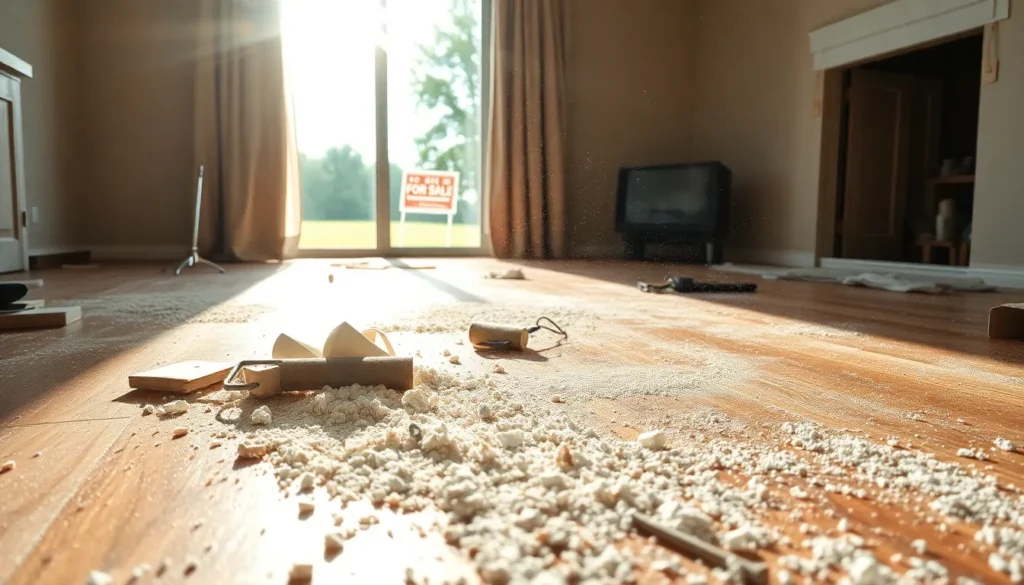
In the realm of real estate, dust and debris are often overlooked factors that can have significant ramifications for properties, transactions, and overall market perception. HomeRocketRealty emphasizes the importance of recognizing and managing these elements effectively to maintain a safe and appealing environment. This article delves into what constitutes dust and debris in the real estate sector, sources, the necessity of addressing these issues, effective management strategies, and the legal responsibilities tied to them.
What Is Dust And Debris In Real Estate?
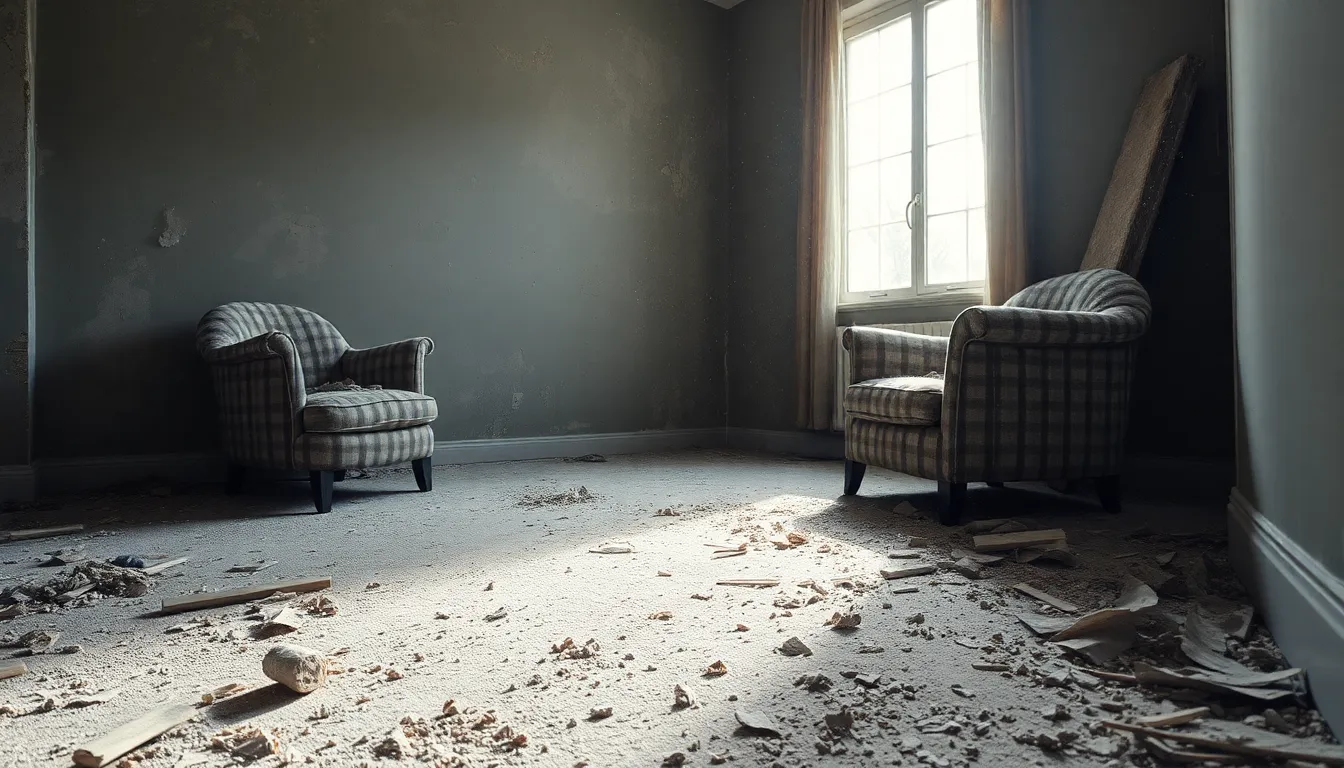
Dust and debris refer to the small particles and refuse that accumulate over time in properties. This can include anything from construction materials and sawdust in new builds to general dirt and grime found in older homes.
In the real estate context, dust and debris can have various implications. For one, they can affect the aesthetic appeal of a property, making it less attractive to potential buyers or renters. More critically, certain types of debris may pose health risks, particularly if they contain hazardous materials such as asbestos or lead.
Understanding the nature of dust and debris is crucial in real estate, as it can influence not only property value but also the safety and livability of the environment.
Sources Of Dust And Debris
Dust and debris in real estate can stem from numerous sources:
- Renovation and Construction: One of the most common sources of dust is ongoing work. Remodeling projects often generate sawdust, drywall dust, and other debris that can linger long after work has ceased.
- Environmental Factors: Properties situated in areas with high wind or dust storms may accumulate significant amounts of dirt and grime.
- Neglected Maintenance: Properties that aren’t regularly cleaned or maintained tend to collect dust and debris over time, impacting their air quality and overall appearance.
- Natural Elements: Trees shedding leaves, pollen in the air, and animal fur can also contribute to indoor dust levels, particularly in homes located in suburban or rural areas.
- Old Appliances and Systems: Dust can also emanate from old HVAC systems, fans, and even carpets that have absorbed allergens over the years.
Identifying these sources is essential in creating a proactive strategy for managing dust and debris.
The Importance Of Addressing Dust And Debris
Addressing dust and debris in properties is vital for several reasons. Firstly, it enhances the aesthetic appeal, crucial for attracting buyers or tenants. Clean environments exude a sense of care and quality, reflecting positively on the property and its management.
Secondly, from a health standpoint, dust accumulation can lead to respiratory problems and allergic reactions among occupants. This is particularly important in family homes, where vulnerable individuals, such as children or elderly residents, are present.
In commercial real estate, a clean environment boosts productivity and employee morale, since a cluttered or dusty workplace can lead to distractions and illness.
Finally, addressing dust and debris is part of a broader maintenance strategy, which can prolong the life of infrastructure and fittings, eventually saving costs in the long run.
Effective Strategies For Managing Dust And Debris
Managing dust and debris effectively involves strategic planning and regular interventions. Here are some effective strategies:
- Regular Cleaning: Instituting a routine cleaning schedule can help keep dust and debris at bay. This includes both interior and exterior cleaning.
- Post-Construction Cleaning: After renovation or construction work, it is crucial to conduct a thorough clean to remove residual dust and debris. Hiring professionals who specialize in post-construction cleaning is often advisable.
- Air Quality Management: Investing in high-quality air filters and HVAC maintenance can significantly reduce indoor dust levels.
- Landscaping: Keeping outdoor areas tidy through regular landscaping maintenance not only enhances curb appeal but also reduces the amount of debris that can enter the property.
- Education and Training: Educating staff and occupants about the importance of cleanliness can foster a culture that prioritizes maintaining a debris-free environment.
Implementing these strategies will not only keep properties clean but also promote overall health and safety.
Legal Considerations And Responsibilities
In the realm of real estate, there are legal implications tied to the presence of dust and debris, especially when it comes to health hazards. Landlords and property managers have a duty of care to ensure that their properties are safe and habitable.
For example, properties containing hazardous debris, such as lead or asbestos, are subject to specific regulations. Failure to address these issues can lead to legal action from tenants or regulatory bodies, resulting in hefty fines and liabilities.
Also, neglecting dust and debris can also result in breach of contract claims from tenants who may argue that their living conditions do not meet the agreed standards.
To mitigate legal risks, property owners and managers should stay informed about local regulations and invest in regular inspections and maintenance to address any potential hazards associated with dust and debris.
Conclusion
To conclude, managing dust and debris is a critical aspect of maintaining real estate properties. With potential sources ranging from environmental factors to construction, it is essential to understand these elements’ impact on aesthetics, health, and legal obligations. By implementing effective management strategies and being aware of legal responsibilities, property owners and managers can create safe, appealing environments that attract and retain occupants. HomeRocketRealty underscores that addressing dust and debris is not just an aesthetic choice but a comprehensive strategy for long-term success in the real estate market.