

As the world shifts towards sustainable energy, DIY solar solutions have become a popular avenue for homeowners seeking independence from traditional electricity sources. Amid this movement, the concept of the “solar pangolin” has emerged, symbolizing a unique blend of eco-friendliness and practicality in renewable energy. This article explores the essentials of DIY solar installations, their benefits, and the intriguing connection with pangolins, shedding light on how energy choices can also impact wildlife conservation.
Understanding DIY Solar Solutions
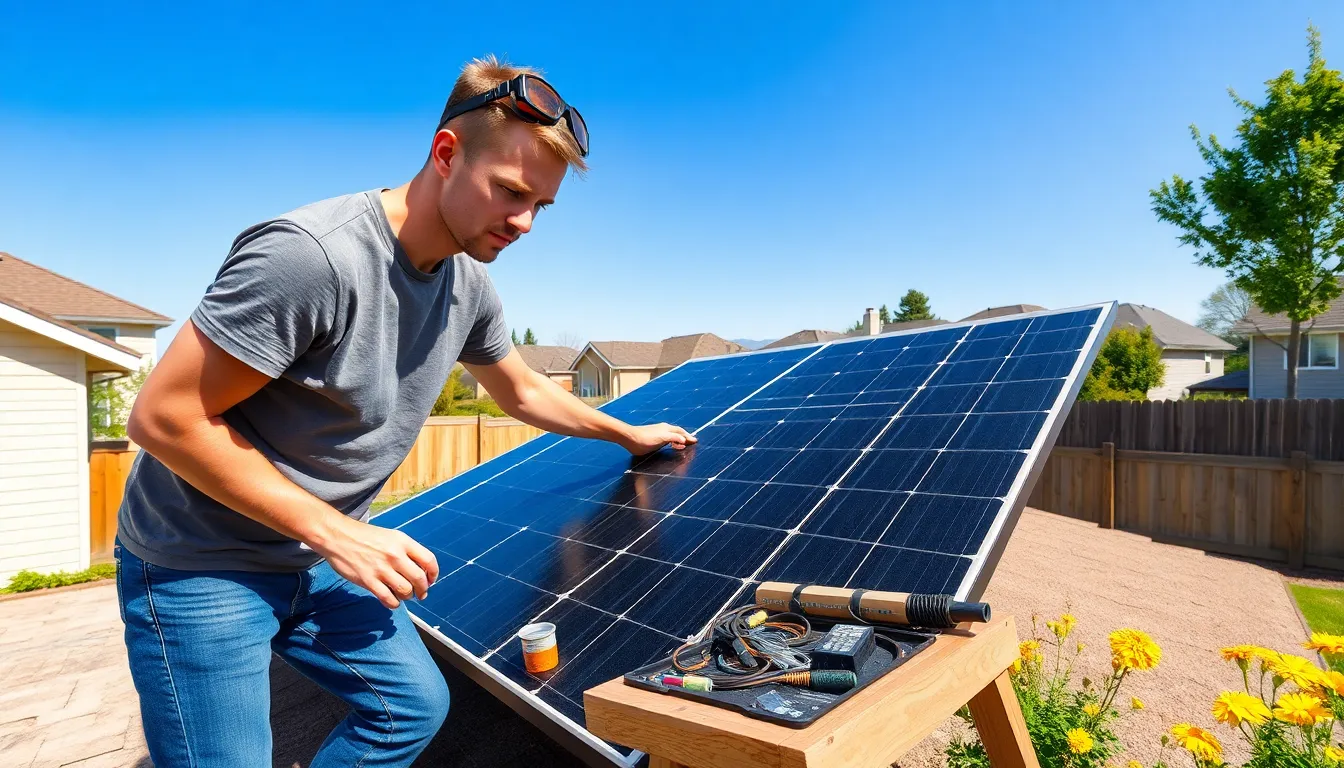
Diving into DIY solar solutions offers homeowners a thrilling opportunity to harness the power of the sun. This approach empowers individuals to design and install their solar systems tailored to their unique needs. A DIY solar setup can range from small solar chargers for electronic devices to entire rooftop photovoltaic systems that connect to the home’s electrical grid.
The core idea behind DIY solar solutions is to create a sustainable source of energy that can reduce dependency on conventional grid power. Also, with the rise of information and resources available online, more people are taking the plunge into solar energy without requiring professional installation, making it both accessible and achievable.
Benefits of Going Solar at Home
Transitioning to solar energy comes with a myriad of benefits that extend beyond cost savings.
Choosing the Right Solar Panels
The first step in any solar installation is selecting the right solar panels. Homeowners must consider efficiency, durability, and warranty to ensure a solid investment.
Factors to Consider When Selecting Panels
Factors such as the geographical location, roof space, and local climate play a significant role in determining which solar panels will work best. High-efficiency panels may perform better in smaller spaces or less-than-ideal sunlight conditions.
Comparing Solar Panel Types
There are mainly three types of solar panels: monocrystalline, polycrystalline, and thin-film. While monocrystalline panels are typically more efficient and take up less space, polycrystalline panels are often more affordable. Thin-film panels are lightweight but generally offer lower efficiency, making them suitable for particular applications.
Integrating Solar with Your Home
Once the panels are selected, integration becomes the next focal point for homeowners.
Cost-Effective Installation Techniques
Exploring methods to minimize installation costs includes DIY projects, seeking incentives offered by local governments, and applying for solar tax credits that can significantly offset initial expenses.
Essential Tools and Materials
Tools such as a multimeter, mounting hardware, and inverters are crucial for a successful solar installation. Homeowners should also consider safety equipment, such as gloves and goggles, to ensure a secure and effective setup.
Safety Measures During Installation
Safety should always be the top priority in any DIY project. Working with electricity poses certain risks, including electrical shock and falls. Homeowners should follow basic safety guidelines, including:
- Turning off all power before beginning installation to prevent accidental shocks.
- Using ladders safely when accessing rooftops, ensuring they are stable and positioned correctly.
- Wearing protective gear to safeguard against potential injuries during the installation process.
By adhering to these measures, individuals can confidently proceed with their DIY solar projects.
Exploring the Pangolin Connection
The pangolin, often referred to as the world’s most trafficked mammal, symbolizes conservation and ecological balance.
Eco-Friendly Benefits of Solar Energy
Solar energy drastically reduces carbon emissions, contributing to a cleaner environment. This reduction is crucial for preserving habitats, including those of endangered species like the pangolin. Shifting to renewable energy sources alleviates the strain on natural resources, benefiting biodiversity.
Pangolin Protection and Awareness
Supporting solar energy initiatives indirectly promotes wildlife conservation. By investing in sustainable practices, homeowners also contribute to the awareness and protection of pangolins. It’s essential to support organizations that focus on pangolin conservation, highlighting the interconnectedness of energy choices and wildlife protection.
Conclusion
Embracing DIY solar solutions not only empowers homeowners to take control of their energy use but also contributes to broader environmental aims, such as wildlife protection. By understanding the benefits of solar energy, prioritizing safety during installation, and recognizing the larger impact of these choices, individuals can make informed decisions that resonate well beyond their backyards. The solar pangolin serves as a reminder of the positive change that can stem from embracing renewable energy, symbolizing a harmonious relationship between humanity and nature.